
How Solar, Batteries and Diesel Generators Share Power in a Microgrid
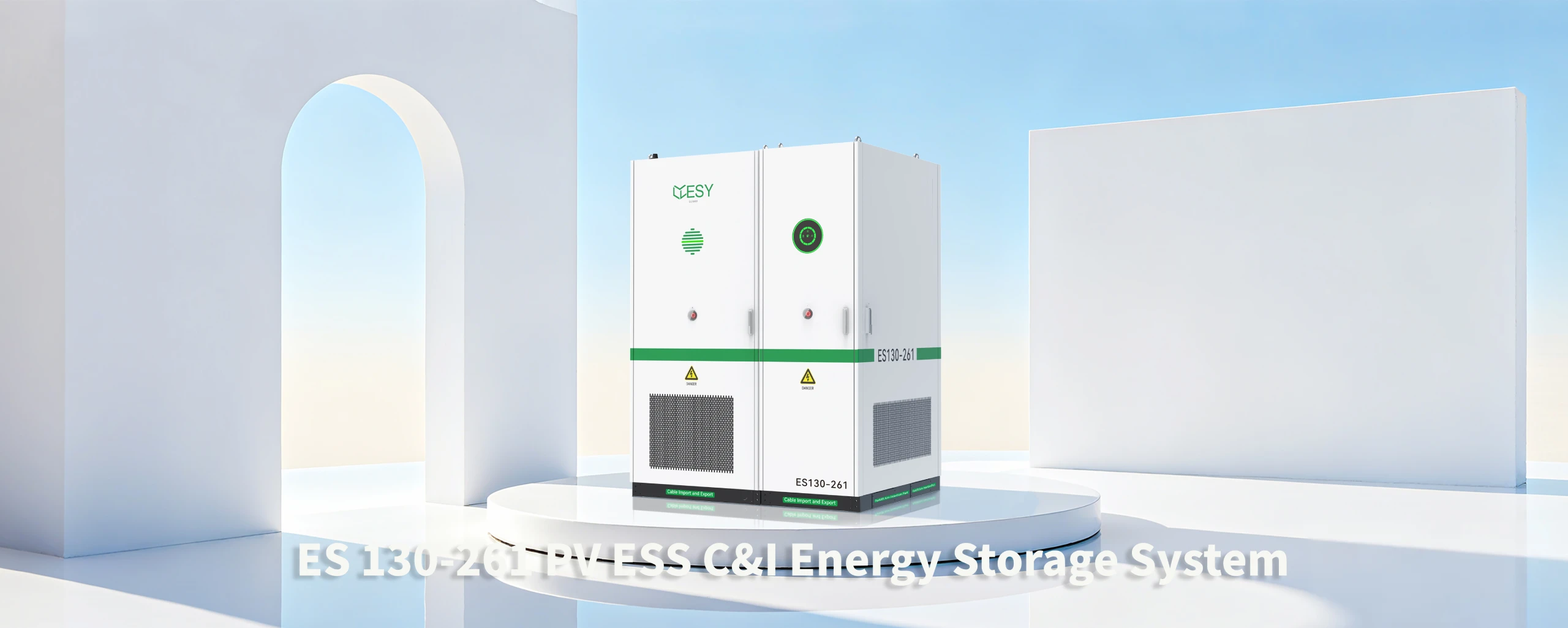
A PV-storage-diesel hybrid system combines solar panels, battery storage and diesel generation to supply electricity under changing conditions. PV power usually serves daytime loads, batteries balance short-term gaps, and diesel generators provide longer backup periods. In a 130 kW-class system, the controller measures PV output, battery SOC and load demand every second to decide power allocation. Projects reported between 2020 and 2025 show that hybrid systems can reduce diesel operating hours by 30–70% when solar resources and battery capacity are properly matched.
A PV-storage-diesel hybrid system uses three power sources with different operating features. Solar generation changes with sunlight, battery storage responds within milliseconds, and diesel generators provide stable electricity for long periods.
PV modules usually supply the first portion of electricity because their operating cost is low after installation. A commercial solar array may produce most of its daily energy between 09:00 and 16:00, with output depending on location, weather and system design. In 2023, the International Energy Agency reported that global solar PV capacity exceeded 1,400 GW, showing how quickly solar generation has expanded worldwide.
The next step is managing electricity when PV output does not match consumption. A battery energy storage system stores extra solar electricity during high production periods and releases energy when solar output falls.
A battery does not replace every function of a generator. It mainly handles short periods of imbalance and supports stable operation.
For example, a 100 kW load supplied by a PV system producing 70 kW requires another 30 kW. A battery can immediately provide this amount without waiting for a generator start sequence. Modern lithium-ion batteries can respond in less than 100 milliseconds, while diesel generators commonly require several seconds to several minutes before reaching stable output.
When solar and battery output are insufficient for a long period, diesel generation supplies the missing electricity. This usually happens during nighttime operation, extended cloudy weather or periods of unusually high demand.
A typical control sequence is:
| Condition | Main power source | Supporting source |
|---|---|---|
| Strong sunlight | PV | Battery charging |
| Reduced solar output | PV + battery | Diesel standby |
| Low battery SOC | Diesel generator | Battery support |
| Emergency operation | Diesel generator | Battery reserve |
The generator is usually operated at efficient loading levels rather than being adjusted for every small change in electricity demand. A 2022 study on hybrid renewable systems showed that maintaining diesel generators above approximately 40–50% loading can improve fuel efficiency compared with frequent low-load operation.
Power sharing depends heavily on the energy management system. The controller receives information from PV inverters, battery management systems, diesel controllers and electrical meters.
The collected data normally includes:
-
PV output power
-
Battery state of charge
-
Battery temperature
-
Generator fuel consumption
-
Load demand
-
Grid connection status
A 2024 review of microgrid control methods reported that model-based and predictive control strategies can improve renewable utilization by approximately 10–20% compared with simple fixed operating rules in many simulated scenarios.
The battery also helps maintain voltage and frequency stability, especially when a microgrid operates without connection to a larger utility network. In island mode, power balance must be maintained continuously because generation and consumption must remain closely matched.
In islanded operation, even a small mismatch between generation and demand can affect frequency quality within seconds.
Battery inverters can adjust output rapidly, while diesel generators provide longer-duration support. This combination allows the system to maintain stable electricity supply for remote facilities, mining sites, farms and industrial locations.
Battery size strongly affects system performance. A small battery may reduce short-term fluctuations but cannot support long periods without sunlight. A larger battery improves renewable usage but increases equipment cost and requires careful thermal management.
A common design approach is to select battery capacity according to several factors:
| Parameter | Typical consideration |
|---|---|
| Daily energy demand | kWh required by users |
| Peak load | Maximum kW demand |
| Solar resource | Annual sunlight availability |
| Backup duration | Hours of required supply |
| Generator size | Emergency generation capability |
For example, a 2021 analysis of remote hybrid microgrids found that increasing battery capacity from 2 hours to 6 hours of storage could reduce diesel fuel consumption by more than 20%, although the economic benefit depended on fuel price and battery cost.
Diesel fuel savings are one of the main reasons organizations install hybrid systems. In remote locations, transporting fuel can represent a large portion of electricity costs. Reducing generator runtime also lowers maintenance requirements because engines experience fewer operating hours.
A system operating with high solar penetration may follow this pattern:
06:00–09:00
PV output rises and battery supports early demand.
09:00–16:00
Solar supplies loads and charges the battery.
16:00–22:00
Battery provides evening electricity as solar decreases.
22:00–06:00
Diesel generator operates if battery reserves become insufficient.
The exact schedule depends on local weather and electricity consumption. A 2025 analysis of hybrid microgrids using renewable forecasting showed that improved solar prediction could reduce unnecessary generator starts by around 15%.
Fuel consumption, battery lifetime and renewable utilization must be considered together. Frequent deep battery cycling can shorten battery service life, while excessive diesel operation reduces the environmental benefits of solar integration.
Battery management systems normally maintain SOC within a controlled range, such as 20% to 90%, instead of repeatedly charging from empty to full. This approach can extend battery cycle life and maintain reliable performance over many years.
The future development of hybrid microgrids will focus on better forecasting, larger storage systems and more intelligent controllers. Since 2015, falling battery prices and improvements in lithium-ion technology have accelerated adoption in commercial and remote power applications.
By 2024, many industrial energy projects combined PV arrays, battery storage and conventional generators rather than relying on a single electricity source. The combination allows solar energy to supply regular demand, batteries to respond quickly, and diesel generators to provide reliable backup when renewable resources are limited.
A well-designed PV-storage-diesel hybrid system is therefore based on coordination between different technologies. Solar reduces fuel use, batteries manage short-term changes, and diesel generation maintains supply during longer periods of low renewable production.