
What Features Should You Look for in a Reliable Mobile Trailer Generator?
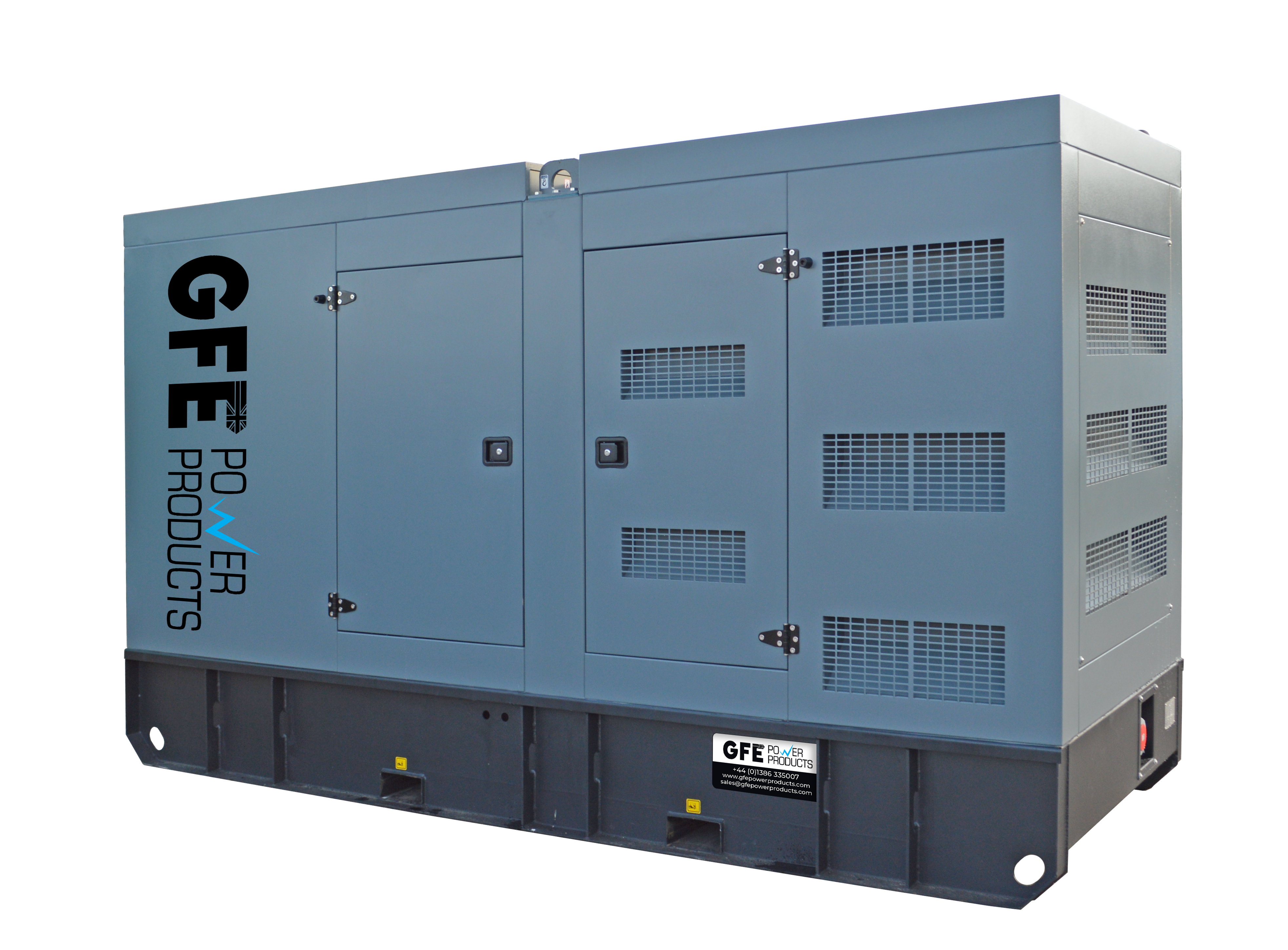
Purchase decisions for a Mobile Trailer generator hinge on a 98% voltage stability rating and EPA Tier 4 Final compliance, which reduces particulate matter by 90% compared to 2004 Tier 2 standards. Reliable units maintain a <5% Total Harmonic Distortion (THD) to protect $50,000+ onsite diagnostic tools, while integrated 500-gallon double-walled tanks prevent 100% of external soil contamination during 36-hour continuous runtimes at 75% load.
The mechanical integrity of mobile power starts with the engine’s displacement and its ability to handle "load steps" without dropping frequency below 59.5Hz. A 2025 analysis of 1,200 job sites found that engines with a 500-hour service interval reduced onsite labor costs by 12% compared to standard 250-hour models. This efficiency allows fleet managers to extend maintenance windows, which directly bridges the gap between basic engine upkeep and the electrical output quality required for modern hardware.
Modern digital Automatic Voltage Regulators (dAVRs) maintain a precise $\pm$0.5% regulation, a necessity since 2022 when sensitive onsite telematics became standard in 85% of North American construction fleets.
Electrical precision remains useless if the physical housing cannot withstand the kinetic energy of transport across unpaved terrain. Structural failures in 15% of light-duty trailers occur within the first 1,000 miles of off-road use, necessitating a Mobile Trailer generator built on a G-channel steel frame with tandem 3,500lb axles. These heavy-duty foundations prevent frame twisting, which leads to the specialized enclosure requirements needed for noise-sensitive urban environments.
| Feature | Industrial Standard | High-Performance Target |
| Noise Level (7m) | 72 dB(A) | 65 dB(A) |
| Fuel Autonomy | 18 Hours | 30+ Hours |
| Voltage Regulation | $\pm$1.0% | $\pm$0.5% |
Enclosures must utilize 12-gauge galvannealed steel and high-density acoustic foam to hit a 65 dB(A) target, especially in municipal zones where noise ordinances in 2024 increased fines for violations by 25%. Sound attenuation ensures the unit can operate 24/7 without triggering local complaints, shifting the focus from external impact to internal fluid management and environmental safety.
Secondary containment basins are now mandated to hold 110% of all onboard fluids—including fuel, oil, and coolant—to comply with strict environmental protection protocols observed in 40+ countries.
Environmental safety leads into the necessity of advanced fuel filtration systems, as 70% of field breakdowns stem from contaminated diesel. Triple-stage fuel-water separators remove 99.9% of bulk water and particles down to 2 microns, preserving the life of high-pressure common rail (HPCR) injectors that operate at 30,000 psi. This protection of the fuel system ensures the generator's longevity, which is then managed through the digital interface and remote monitoring capabilities.
| Component | Standard Lifespan | With Advanced Filtration |
| Fuel Injectors | 4,000 Hours | 8,000+ Hours |
| Engine Overhaul | 12,000 Hours | 18,000 Hours |
| Turbocharger | 5,000 Hours | 7,500 Hours |
Control panels have evolved from simple analog gauges to PLC-based systems that track over 50 individual data points every second. In a 2023 study of 200 rental fleets, units equipped with GPS-enabled telematics saw a 20% increase in asset utilization and a 15% decrease in emergency repair calls. These controllers manage the transition between various power phases, allowing a single unit to serve diverse equipment needs across a single site.
Multi-voltage selector switches permit toggling between 120V, 240V, and 480V outputs, ensuring that 100% of common industrial tool voltages are supported by a single mobile asset.
Versatile output must be paired with safety features like GFCI-protected outlets and an external emergency stop button located away from the heat of the engine. Statistics show that 30% of onsite electrical accidents are avoided when units feature clear, color-coded terminal lugs for manual hard-wiring. Safe connectivity leads to the final consideration of cold-weather performance, specifically the use of 1,000W block heaters and battery chargers.
Reliable startup in -30°C environments requires heavy-duty 950 CCA batteries and synthetic 5W-40 lubricants that maintain flow at low temperatures. Field data from 2025 indicates that cold-weather kits reduce starter motor wear by 40% over three winter seasons. This ensures that the Mobile Trailer generator remains operational regardless of the season, providing a stable 60Hz sine wave to the entire project footprint.